POBNEWS24, Dhaka, Aug 1, 2025 : New prospects have been created for Bangladeshi products in the US due to lower tariffs compared to India. Analysts believe that the large-scale imposition of tariffs on India and China in Washington’s latest tariff structure has opened a new window for exports to other South Asian countries. If this opportunity can be utilized, the US market for Bangladeshi ready-made garments, home textiles, handicrafts and agricultural products can be more extensive and profitable.
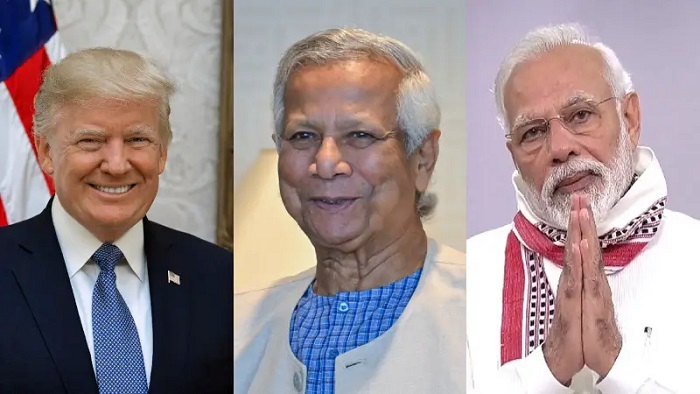
In the recent announcement of US President Donald Trump, it was announced that a 25 percent tariff will be imposed on products imported from India. At the same time, he warned that India may have to suffer ‘unpleasant consequences’ for its closeness with Russia and active role in the BRICS alliance. In this situation, India’s main opposition Congress leader Rahul Gandhi described the incident as a diplomatic failure for India. He said that the Modi government has destroyed the country’s economy and foreign policy.
Economic analysts in the country say that if Bangladesh can move forward with strategic trade diplomacy and understanding the needs of the US market in this context, exporters can get additional benefits compared to India. However, the context of every change in international politics and customs policy must be analyzed in depth before moving forward.
Bangladesh’s National Security Advisor Khalilur Rahman said, “Today we have succeeded in avoiding a potential 35 percent countervailing duty. This is good news for our garment sector and millions of people dependent on this sector.”
Mohiuddin Rubel, former director of the Bangladesh Garment Manufacturers and Exporters Association (BGMEA), also said the same. In his words, this decision is largely good news for Bangladesh. As the US was likely to lose the Chinese market, India was initially seen moving forward to fill that gap. But now it is seen that a higher duty has been imposed on India than on us—25 percent. In other words, US buyers can now consider Bangladesh as an alternative to China.
Meanwhile, according to the White House announcement, Washington has imposed tariffs of 19 percent on Pakistan, 15 percent on Afghanistan, 25 percent on India, 10 percent on Brazil, 19 percent on Indonesia, 19 percent on Malaysia, 40 percent on Myanmar, 19 percent on the Philippines, 20 percent on Sri Lanka, and 20 percent on Vietnam, among other countries.

POBNEWS24 | The Politics of Bangladesh online Version | Reg No: 26/98