
POBNEWS24, DHAKA, Sept 16, 2026 | International Desk
Reports that Saudi Arabia may seek Israeli intelligence or security assistance to counter Houthi attacks have triggered concern and public debate in Bangladesh, particularly among sections of the country’s religiously observant Muslim community.
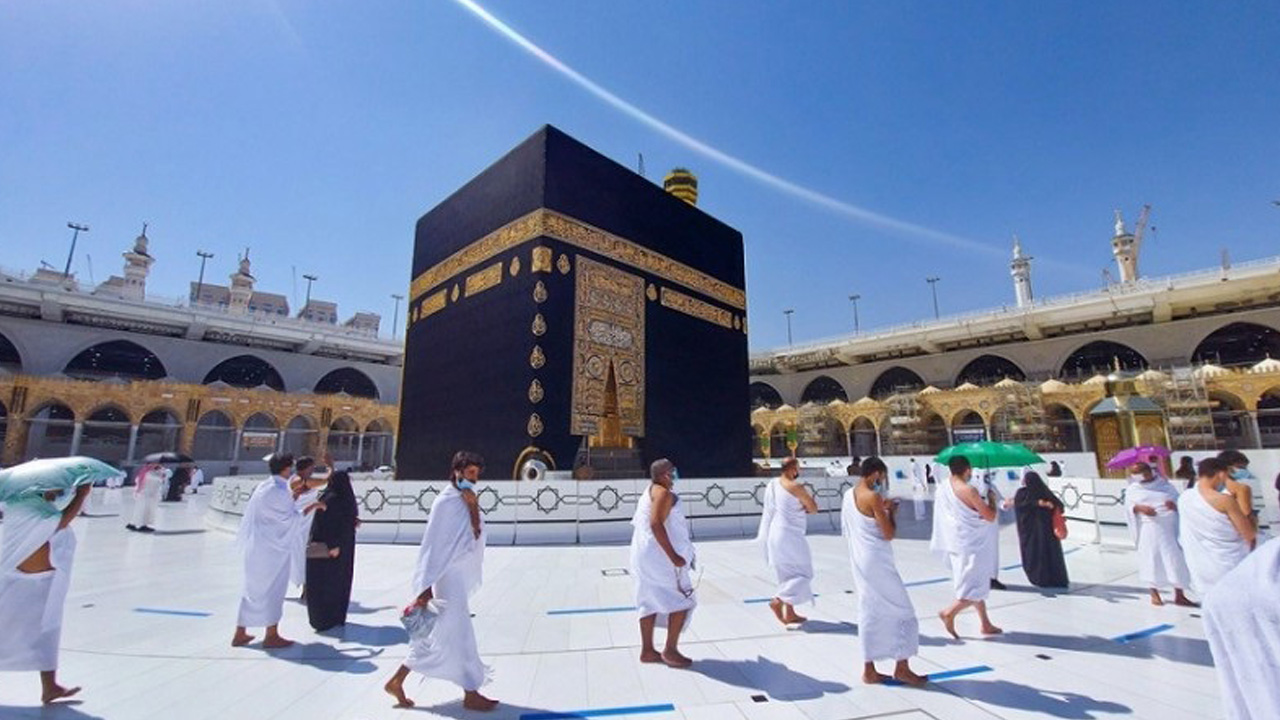
The issue carries particular sensitivity in Bangladesh because thousands of Bangladeshi Muslims travel to Saudi Arabia every year for Hajj and Umrah. Any deterioration in the security situation around Makkah and Madinah therefore has implications not only for religious pilgrims but also for Bangladesh’s broader diplomatic and security interests.
However, there is currently no publicly available official Saudi statement confirming that Riyadh has formally requested Israel to provide military assistance specifically to protect Makkah. Recent reporting has instead pointed to expanding regional security coordination as Saudi Arabia faces renewed Houthi attacks and wider instability across the Middle East. Reports have also emerged of a confidential meeting involving senior military officials from Israel, Saudi Arabia and several Arab states.
Houthi drone intercepted near Makkah
The debate intensified after Saudi Arabia said its air defences intercepted and destroyed a Houthi drone south of Makkah before it entered the holy city’s restricted airspace.
Saudi military authorities described the incident as a serious security matter and reaffirmed that the protection of Makkah was a “red line.” The Houthis, however, denied targeting the holy city.
Reuters reported that the incident represented the second alleged Houthi attempt to strike toward Makkah since 2017.
Saudi authorities had also issued broad security alerts covering Makkah and Jeddah amid a series of recent Houthi attacks. The escalation comes against the backdrop of growing military tensions around the Red Sea and the Bab el-Mandeb strait.
Why the issue matters in Bangladesh
For Bangladesh, the issue has a significant human dimension. Large numbers of Bangladeshi citizens travel to Saudi Arabia for Hajj and Umrah each year. During the 2026 Hajj season, Bangladesh maintained extensive medical and support operations for its pilgrims in Makkah and Madinah. Official information also recorded substantial use of Bangladesh’s Hajj mission medical facilities.
Any further deterioration in Saudi security could therefore affect Bangladeshi pilgrims, air travel, transportation and future Hajj and Umrah arrangements.
The Israeli dimension makes the issue particularly sensitive. Bangladesh has consistently expressed support for Palestinian rights, while Israel remains a deeply controversial subject among many Bangladeshis. Consequently, reports of possible Israeli intelligence or security cooperation with Saudi Arabia have generated debate over whether such cooperation could affect the security environment surrounding the two holy cities.
There is, however, no reliable nationwide public-opinion survey currently available to establish that the entire Bangladeshi Muslim population is reacting in a uniform or “strongly hostile” manner to the reported cooperation. Social-media reactions and online commentary should not be treated as representative of the country’s entire Muslim population.
Dhaka’s official position
Bangladesh has publicly condemned Houthi attacks on Saudi territory.
On September 8, Dhaka strongly condemned a Houthi attack that injured civilians in Saudi Arabia and reaffirmed its support for Saudi Arabia’s sovereignty, territorial integrity and security.
However, Bangladesh’s Ministry of Foreign Affairs has not, in the sources reviewed for this report, issued a separate official statement specifically addressing alleged Saudi-Israeli security cooperation against the Houthis.
Dhaka has nevertheless shown broader interest in Saudi-led regional security arrangements. Saudi Arabia, Pakistan and Türkiye signed the Makkah Joint Defence Agreement on August 7, and Bangladesh has been publicly discussing the possibility of joining if formally invited.
State Minister for Foreign Affairs Shama Obaid Islam said Bangladesh was assessing the issue and that national interests would be given priority before any decision.
Foreign Minister Khalilur Rahman previously described the Makkah defence arrangement as a mechanism related to the self-defence of the Muslim community.
A changing regional security equation
Saudi Arabia’s security concerns now extend beyond the Houthis themselves. The Red Sea, Bab el-Mandeb and Gulf waterways, oil-export infrastructure and the activities of Iran-aligned armed groups are increasingly interconnected in Riyadh’s security calculations.
For Saudi Arabia, cooperation with external intelligence and defence partners could potentially improve early-warning and interception capabilities against drones and missiles. At the same time, any overt security relationship with Israel could carry significant political consequences in a region where the Israeli-Palestinian conflict remains highly contentious.
For Bangladesh, therefore, the central question is not simply whether Saudi Arabia is communicating or cooperating with Israel. The more consequential questions concern the security of Makkah and Madinah, the safety of Bangladeshi Hajj and Umrah pilgrims, and the implications for Dhaka’s foreign-policy balance in the Middle East.
Based on currently available evidence, there is no established basis to conclude that Makkah is facing a direct threat because of Israeli cooperation with Saudi Arabia. The immediate documented security concern remains the Houthi drone and missile threat amid the wider escalation of the Middle East conflict.