POBNEWS24, Dhaka, July 2, 2026 : Hilsa fish is an inseparable symbol of the culture, tradition and emotions of the people of the two Bengals, especially West Bengal and Bangladesh. Once upon a time, large hilsa fish used to be caught in flocks in the Padma-Meghna rivers during the high season, and before Durga Puja, hilsa fish from Bangladesh would reach every household in West Bengal with a message of harmony and goodwill. But at this time, the crisis of large hilsa fish in the Padma, questions about the effectiveness of research, pushbacks at the border, diplomatic tensions and declining hilsa exports are all fading away the ever-familiar silver bond between the two Bengals. At a time when India has again introduced tourist visas for Bangladeshis after almost two years, the question has come up for discussion again: is this the beginning of thawing the ice between the two countries, or just a temporary diplomatic courtesy?
Hilsa is not only part of Bangladesh’s economy or food culture, it is a thousand-year-old tradition of Bengalis, a symbol of riverine life, and a unique bond of emotion between the two Bengals. During the Sheikh Hasina government, “Hilsa harvesting and culture in Bangladesh” was included in the list of invaluable cultural heritage of mankind by the United Nations Educational, Scientific and Cultural Organization UNESCO. Earlier, Bangladesh also recognized Hilsa as a Geographical Indication GI product. Although this international recognition has given Hilsa a new status in the world court, the crisis of large Hilsa in the Padma River of Bangladesh has now become a cause for concern.
Once upon a time, it was a daily occurrence for fishermen to catch one and a half to two kilogram hilsa in the Padma, Meghna, Tentulia, or Arial Khan rivers during the high season. There was an abundance of this silvery fish in the river ghats, fish shops, and kitchens of the common people. Today, that picture has changed a lot. Even during the high season, large Hilsa are rarely seen, and the price in the market is beyond the reach of the common people.
Fishermen say that the reduction in river navigability, changes in upstream water flow, pollution, the impact of climate change, indiscriminate killing of mother hilsa and jatka, and degradation of natural habitat have all put pressure on the life cycle of hilsa. This is affecting both production and fish size.
In this reality, the hilsa research program in Chandpur has come under renewed discussion. Although the government spends money on research and conservation every year, there are questions among fishermen, businessmen, and the general public about how much of a visible impact it is having on the field. There are demands for more effective implementation of research results, use of technology, river restoration, conservation of breeding grounds, and rehabilitation of fishermen.
There is also an emotional chapter in Bangladesh-India relations associated with hilsa. For many years, the export of hilsa from Bangladesh to West Bengal ahead of Durga Puja was known as a symbol of cultural harmony between the two Bengals. For the people of West Bengal, hilsa from the Padma is not just a fish, but an integral part of the joy of the festival. For many, the festival remains incomplete without Hilsa in the puja feast.
But in recent years, Hilsa exports to West Bengal have decreased significantly due to the supply crisis, price hikes and policy decisions in the country. Along with this, the political and diplomatic relations between the two countries have also faced challenges for various reasons. Especially after the political changes of August 5, 2024, new discussions have started on the border situation, pushback, trade, security and mutual trust. Allegations of pushback at the border have become a sensitive issue in the relations between the two countries and have also given rise to widespread discussion in the political arena.
However, a positive message has come even amidst the diplomatic deadlock. After a closure of almost two years, the Indian government has resumed issuing tourist visas for Bangladeshi citizens from June 28. According to diplomatic analysts, the introduction of visas can be helpful in increasing people-to-people contact, medical treatment, education, tourism and business trips. However, for this to be considered a sign of full normalization of relations, positive progress should also be seen in the areas of border management, trade, security cooperation and political trust. In other words, the resumption of visas could be a possible beginning of thawing the ice, but whether it will be sustainable or not will depend on the future policy steps of the two countries.
On the other hand, the new government under the leadership of Chief Minister Shuvendu Adhikari is taking charge in the new political reality of West Bengal. Despite the political change, the appeal of Bangladeshi hilsa to the common people of West Bengal has not diminished at all. The historical bond of language, literature, music and food culture that has tied the two Bengals together is one of the strongest symbols of that bond.
According to experts, to sustain hilsa, seasonal campaigns alone are not enough. We need to restore the normal flow of the river, apply scientific research in practice, conserve mother hilsa and jatka, provide alternative employment to fishermen, control river pollution and develop integrated fisheries management based on regional cooperation.
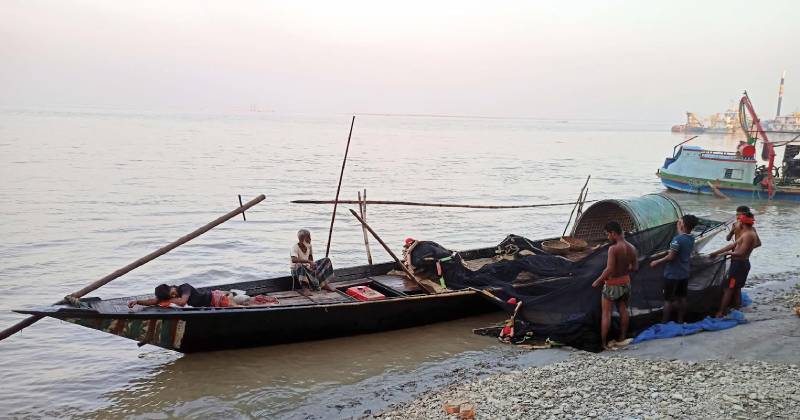
A visit to the ground shows that the rainy season is now underway. There is sufficient water in the Padma-Jamuna. There is a movement of fishermen and fishing boats in the river. But behind this scene, there is a dark cloud of sighs and despair. Because, even in the peak season, the desired shiny silver hilsa is not being caught in the fishermen’s nets. The desired hilsa is not being caught by casting nets in the river all day. This is not increasing the fishermen’s fuel costs, nor their food. The fishermen of the Padma-Yamuna are drowning in a sea of despair.

POBNEWS24 | The Politics of Bangladesh online Version | Reg No: 26/98
Diplomatic tensions and emotions of the two Bengals Large hilsa fish are decreasing in the Padma, will the ice melt even if visas are introduced?
Mir Afroz Zaman